Transform Your Home with
Hardwood flooring has been a classic choice for centuries, and for good reason! With a variety of species, finishes, and textures to choose from, the possibilities are endless when it comes to finding the perfect hardwood flooring for your home. At Hamernick’s, we’re proud to offer a wide range of high-quality hardwood options to fit your style and budget, along with other flooring products to meet all your needs..
When shopping for hardwood floors, there are many things to consider. The type of wood, finish, and installation method all play a role in creating the perfect floor for your space. Whether you need floors for your house or commercial flooring, let us help guide you through the options to make an informed decision for your home or business.
As you shop for hardwood flooring, there are many factors to consider.
Hardwood Types
Hardwood Finishes
Hardwood flooring offers a wide array of choices. Each has its own distinct character and benefits. From timeless oak and rustic hickory to luxurious cherry and eco-friendly bamboo, there’s hardwood flooring finish for every taste and style.
Hardwood Benefits
Hardwood flooring offers a plethora of benefits that make it a popular choice for homeowners. As a trusted flooring supplier, we’re here to help you explore some of the key advantages:
Hardwood Services
At Hamernick’s, we don’t just sell hardwood flooring—we offer expert flooring services to ensure your floors are installed, restored, and maintained with care and precision. Our team has the knowledge, tools, and expertise to deliver beautiful, long-lasting results.
Explore Our
Not sure what type of flooring is right for your space? Get some great ideas by exploring what others have done before you.
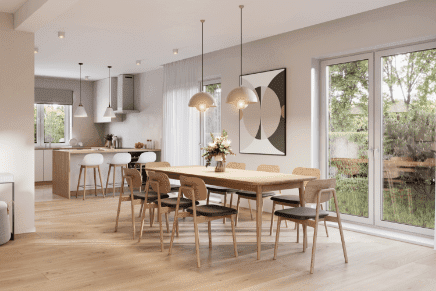
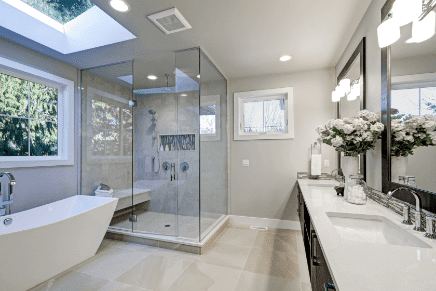
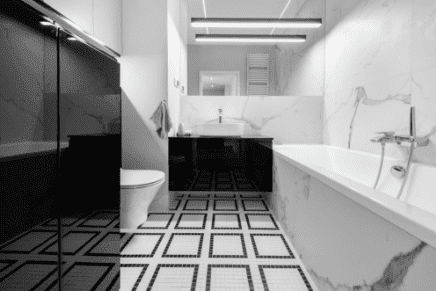

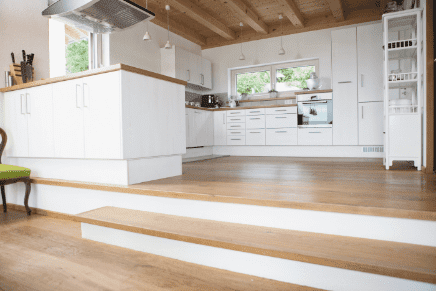
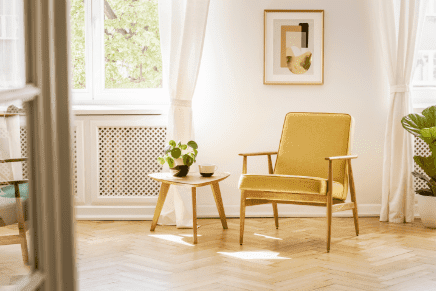
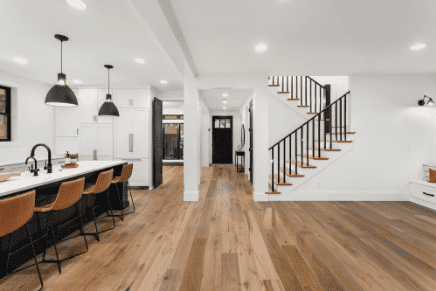
At Hamernick’s, we’re your local, full-service flooring solution with multiple locations to serve you. Whether you’re looking to add hardwood floors to a single room or tackle a commercial project, we’re here to help. When you choose Hamernick’s, you can always expect:
Hardwood flooring is a big investment, and we’re committed to helping you make the right decision for your home. Your needs and lifestyle come first, and our team will guide you through the selection and installation process.
We believe in the timeless beauty of hardwood and the generations it represents. As part of our flooring family, we help you select the right flooring for your home, providing advice and support every step of the way.
Expertise & Experience
With nearly 80 years of experience in the flooring industry, our team has the knowledge and expertise to help you choose the best hardwood and ensure it's installed correctly the first time.
Responsibility & Service
Our professional installation team ensures your hardwood floors are installed with precision. We’re committed to providing top-notch service and helping you care for your floors long after installation.
Community Engagement
Hamernick’s is a proud member of the local community. We give back through charitable contributions and local events, ensuring that we make a positive impact on the neighborhoods that have supported us for generations.
Questions? We Got You Covered.
What’s the difference between solid hardwood and engineered hardwood?
How do I know which hardwood species is right for my home?
What are the benefits of choosing hardwood over other flooring types?
Where can hardwood flooring be installed in my home?
Hardwood can be installed in living rooms, bedrooms, hallways and other dry areas. Engineered hardwood tends to work better in areas with temperature and humidity changes.
Do you offer hardwood sanding, staining and refinishing services?